
Problem-led cat enrichment
Quiet cat toys are better for neighbors and shy cats.
Choose quieter toys for apartments, WFH, and cats that dislike loud motors.
Original category visual, not a specific product demo. Clicking the preview opens an Amazon affiliate search; PickCrest may earn from qualifying purchases.
Quick answer
Quiet cat toys should still provide movement, texture, or food reward. Try soft floor prey, puzzle feeders, tunnels, and low-noise automatic toys after supervised testing.
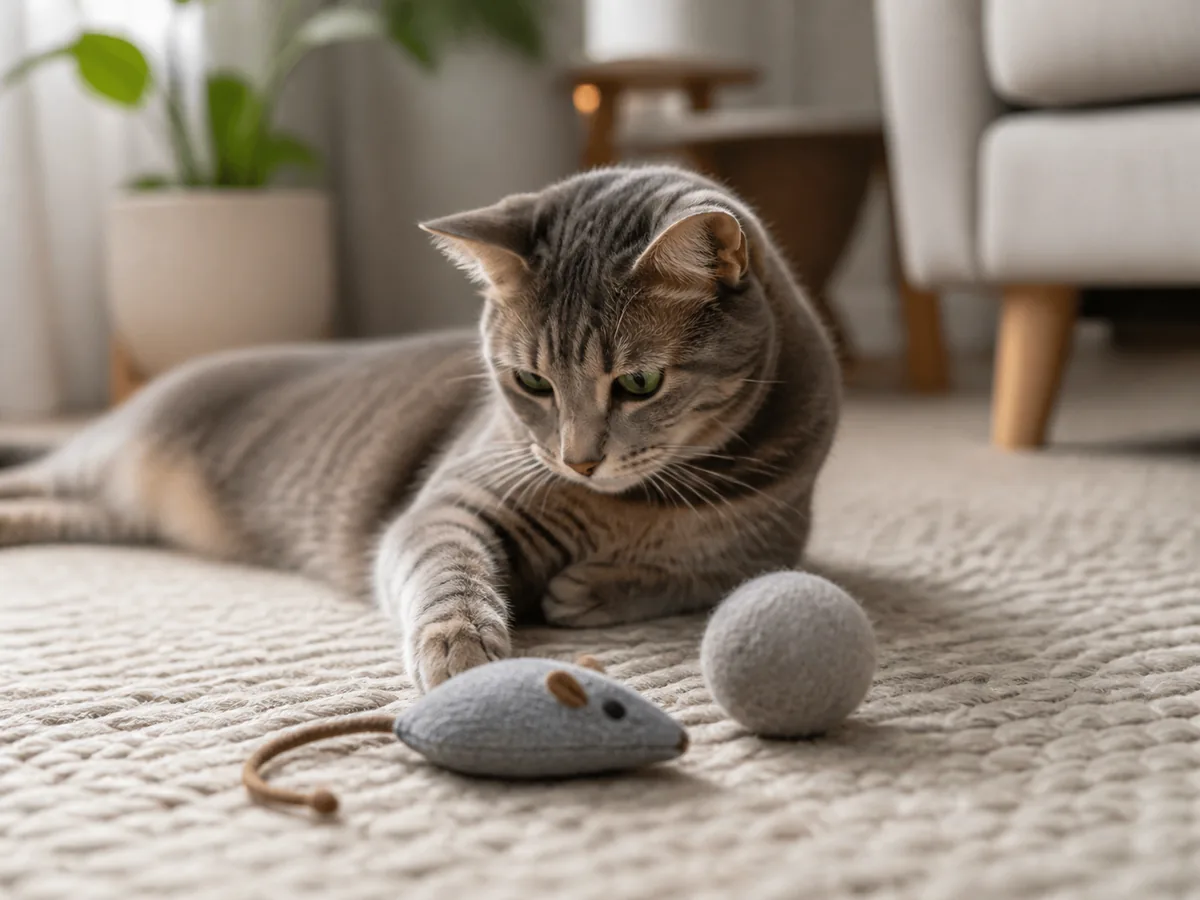
Start here
Best for: Quiet cat toys should still provide movement, texture, or food reward. Try soft floor prey, puzzle feeders, tunnels, and low-noise automatic toys after supervised testing.
Skip if: Match behavior before product type.
- Match behavior first
- Test briefly
- Check safety
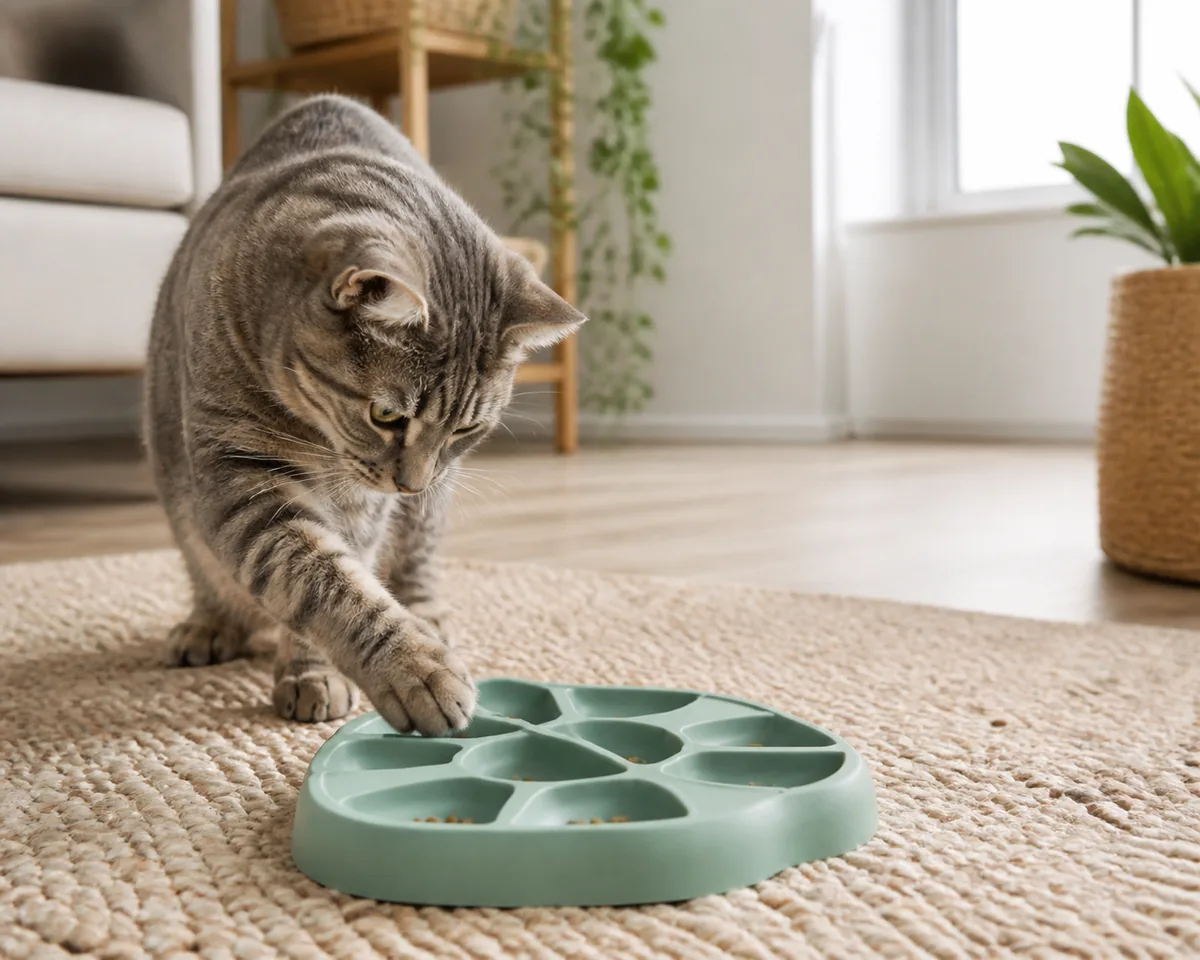
Best first test
Best for: Pick one low-risk toy category and test for 3–7 minutes.
Skip if: End with a win.
- Match behavior first
- Test briefly
- Check safety
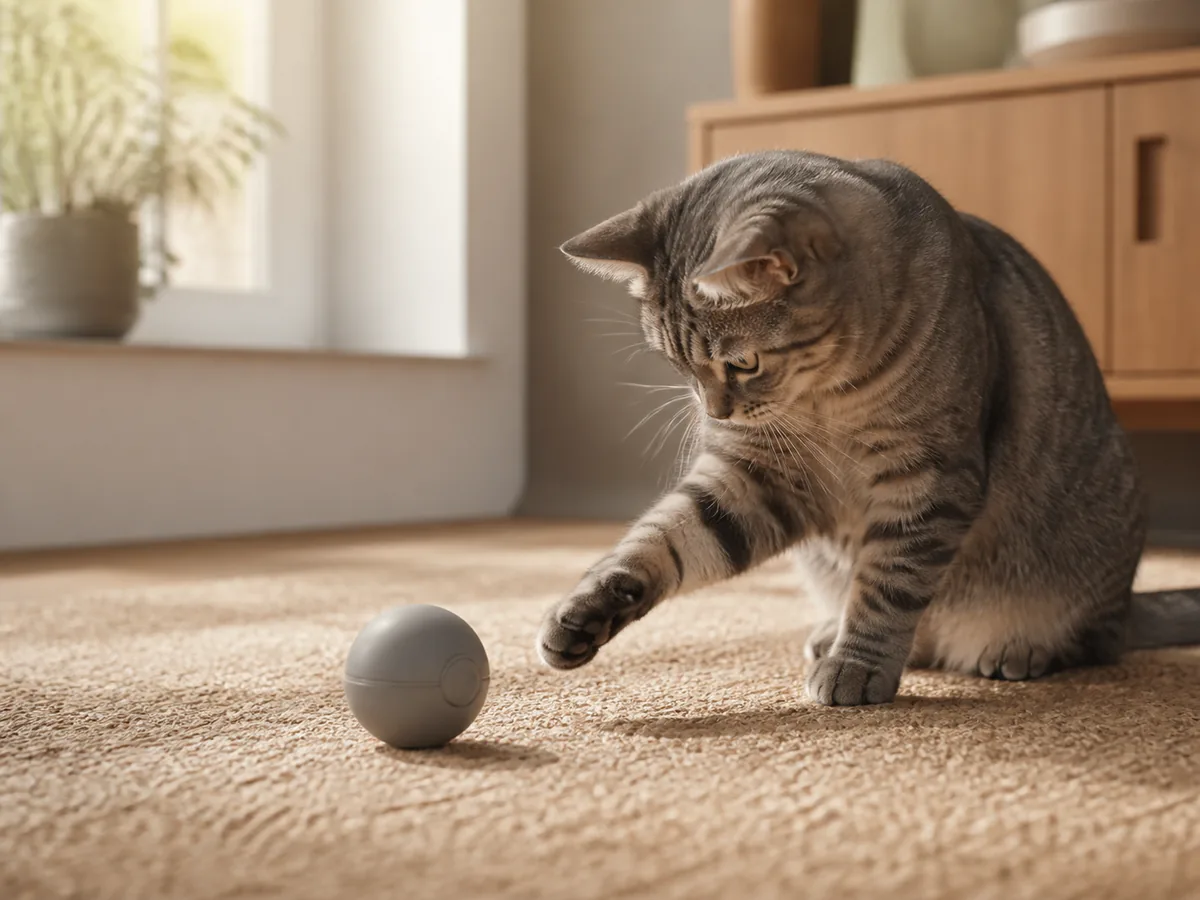
Safety note
Best for: Check loose parts, strings, batteries, noise, and whether the cat stays relaxed.
Skip if: Supervise first.
- Match behavior first
- Test briefly
- Check safety
Apartment quietness matrix
Use this as a short first-screening list, not a promise that any toy will be silent. Check the current retailer instructions, then try one category while you are present.
| Noise source | What to look for | Apartment-friendly first check |
|---|---|---|
| Motor hum | Low-speed or adjustable movement, with no claim that a motor is silent. | Run it on the intended setting while you are in the room. |
| Floor impact | Hard toys can amplify taps on bare floor. | Try a rug or soft play surface first. |
| Hard-plastic collision | Rolling parts can hit furniture, walls, or bowls. | Clear the test zone and listen from the next room. |
| Bell or crinkle | Loose bells and crinkle layers can be louder than the toy body. | Choose a simpler soft option for late play. |
| Loose parts | Small detachable pieces can rattle and need a safety check. | Inspect before every supervised session. |
| Auto-shutoff | A timer can limit ongoing motor or rolling noise. | Confirm the current listing and instructions before buying. |
Supervised home sound test
- Set the toy on the surface and location where play would actually happen.
- Stay with your cat for a short first session and listen from the next room or hallway.
- Stop if the sound startles your cat, bangs repeatedly, creates loose parts, or interrupts sleep or work.
- Do not leave string, feather, loose-part, battery, or motor toys unattended until the current instructions and your supervised test support it.
Buying path
Compare current options only after the fit check.
PickCrest does not publish static prices, copied reviews, or star ratings. Use the retailer page for current details.
FAQ
How do I test whether a cat toy is quiet enough for my apartment?
Run one short supervised session where the toy would normally be used, then listen from the next room. Stop if it startles your cat, repeatedly bangs, or disrupts sleep or work.
What if my cat still ignores this?
Change category before buying a similar toy. Try feather, floor prey, food puzzle, tunnel ambush, scratch-and-bat, or quiet solo play one at a time.
Can I leave these toys out?
Only after a supervised test. Put away string, feather, loose-part, and noisy motor toys if they stress your cat or create safety risk.